Studying Jupiter and its moon Io to learn more about Earth
Jupiter’s moon Io (eye oh) is the most volcanic body in the solar system. This volcanism helps it to maintain a tenuous atmosphere. PSI’s Io Input/Output (IoIO) observatory studies what happens to two of Io’s atmospheric gasses after they escape and start their journey through Jupiter’s magnetosphere. Studying Io and the material it provides to Jupiter’s magnetosphere helps us learn more about volcanic, atmospheric, and magnetospheric processes that are operating in a very different regime than seen on Earth. This provides a better understanding of the underlying physics of these processes which can then be applied to Earth.
Studying planets around other stars to learn more about our Sun
The first extrasolar planet orbiting a star like our sun was discovered over 30 years ago. Since that time, over 6000 exoplanets have been observed. Many of these planets have properties that have surprised scientists, such as planets the size of Jupiter orbiting a sun-like star in less than 3 days. One of these ultra-hot Jupiters, WASP-12b, shows signs of spiraling into its host star. Studying the dance between “doomed planets” and their stars provides a way to peer inside both objects and by association, the Sun. IoIO is able to monitor many planets over a long period of time to search for other planets spiraling to their doom.
Studying comets to learn more about the origins of our solar system
Comets are left over objects from early in the formation of our solar system. Understanding their physical structure therefore provides insights into how the solar system formed. Spacecraft visits to comets have provided unexpected insights, such as the role of landslides (mass wasting events) in driving sudden changes in how much material comets release (outbursts). Monitoring comet outbursts in a large number of comets can help us understand if most comets have landslides like the ones we have visited or if these outbursts are driven by heating of pockets of different materials inside the comet. IoIO monitors several comets every night searching for outbursts.
A project in peril
Government funding for the IoIO project will end August 31, 2026. Two independent peer reviews ranked the project as fundable, but federal funding priorities are changing and no funds were awarded. If you’d like to see the IoIO project continue, including the production of more issues of “IoIO’s Quest,” please consider partnering with us. Your donations will be managed through PSI. Any donations in excess of the project’s needs will be transferred to the PSI general fund, which supports all PSI scientists in their work.
Meet the Little Scope That Can!
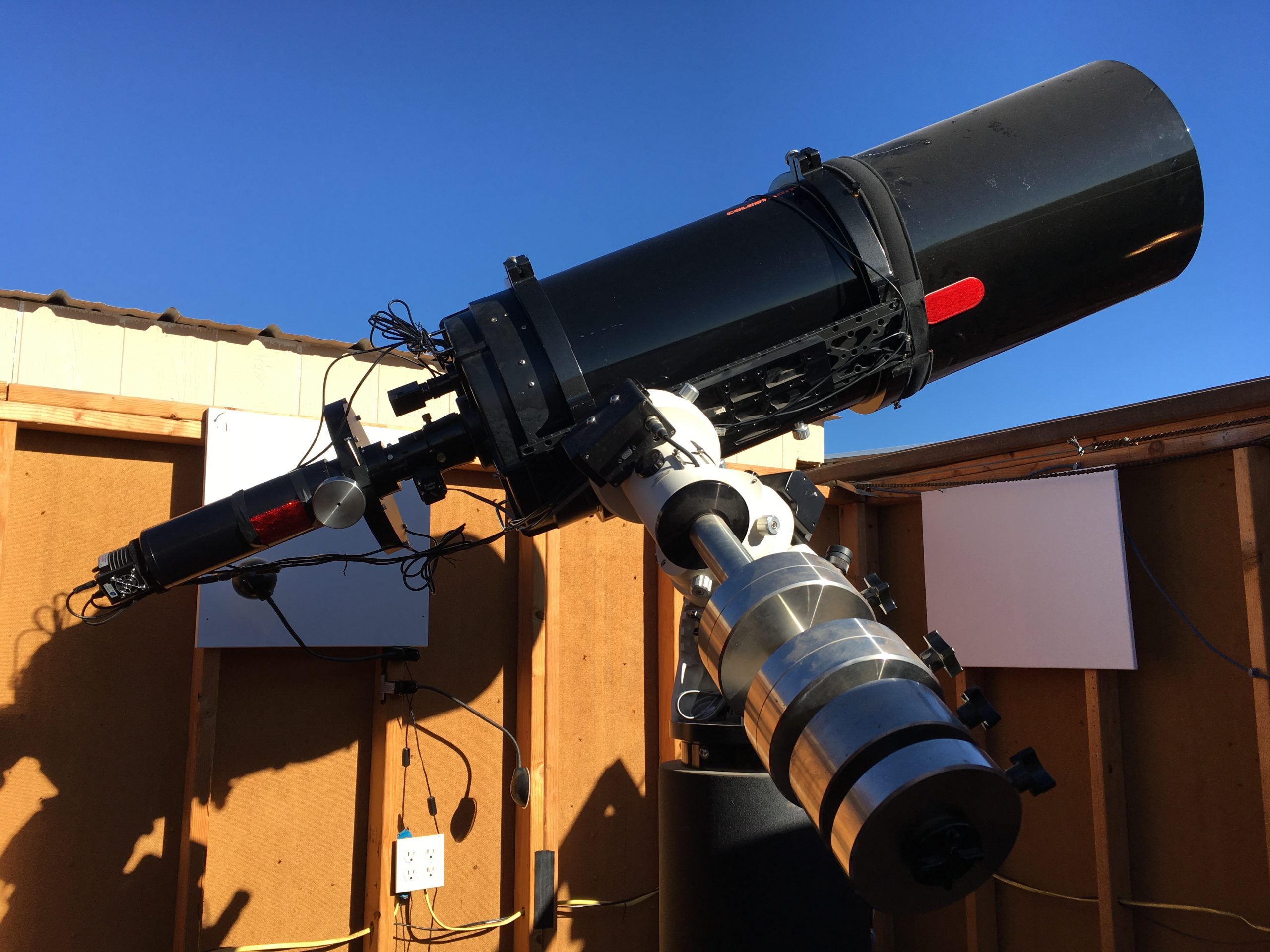
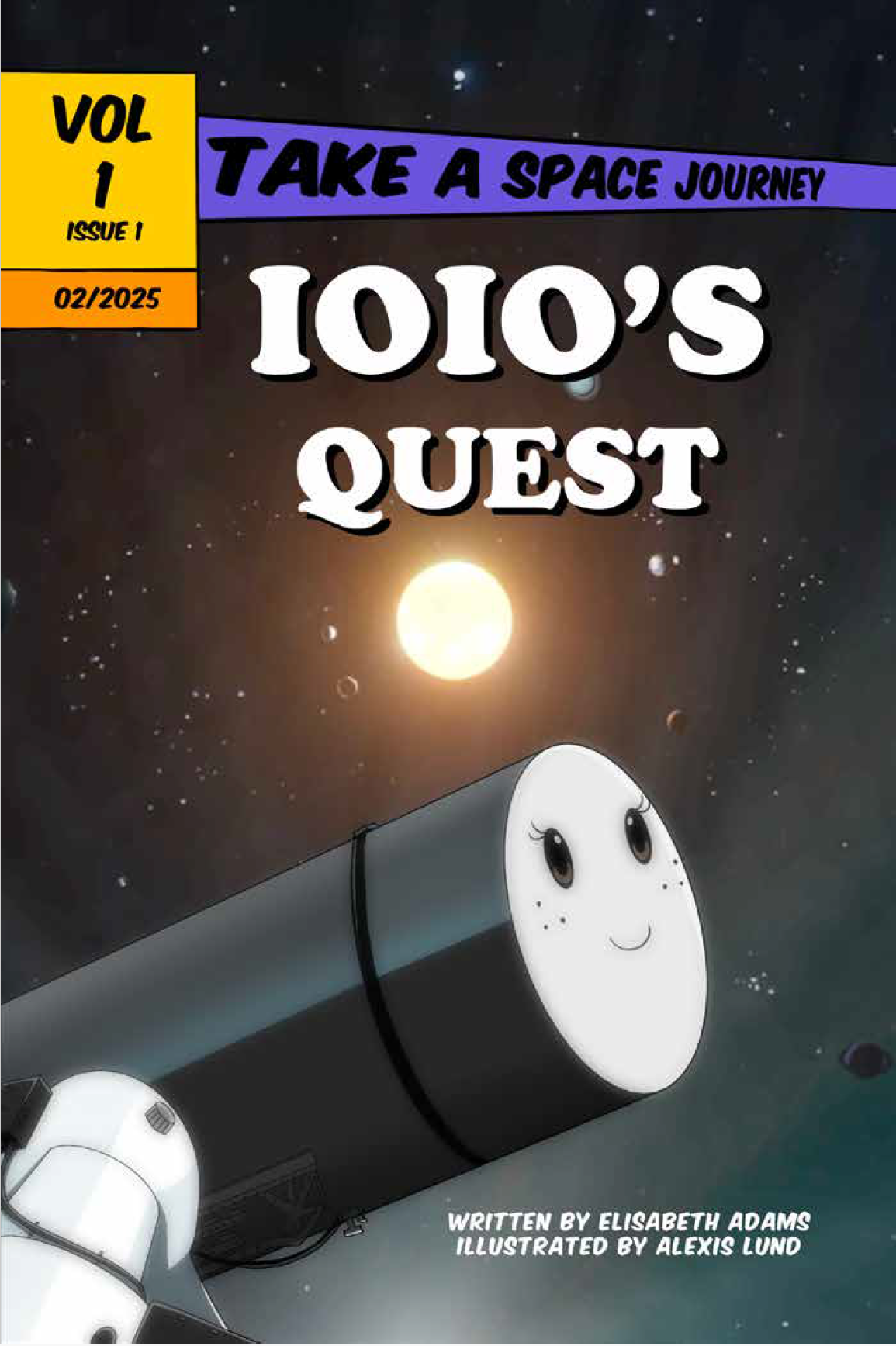
Once upon a time there was a telescope. It wasn’t big. It didn’t orbit another planet. It didn’t even orbit Earth! It started life in a box in a box store, but through a chance of fate this little telescope was sent on a quest to capture big science. Inspired by a true story.
Get yours today:
Free PDF